
When One Match Changed Everything
At 28, Mr. Rahul Ghosh loved football.
Every weekend, he played with his friends, enjoying the excitement of the game and the fitness it brought to his life.
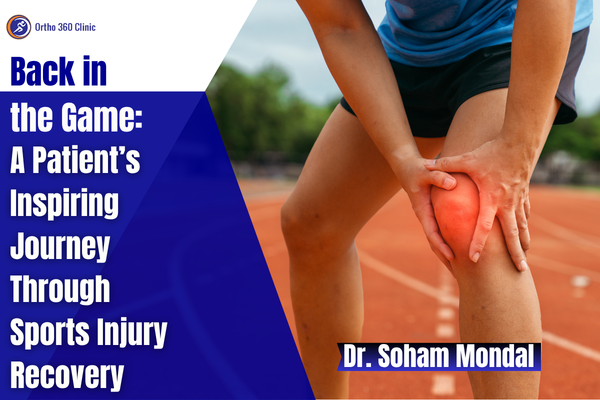
During an important local tournament, Rahul suddenly twisted his knee while changing direction.
He heard a “pop.”
Instantly, severe pain forced him to the ground.
His knee began swelling within minutes.
Standing became difficult.
Walking was nearly impossible.
The injury left him devastated.
Would he ever play football again?
After an MRI scan and orthopedic evaluation, Rahul was diagnosed with a serious sports injury involving ligament damage.
Determined to return to the sport he loved, he consulted Dr. Soham Mandal, an experienced Consultant Orthopedic Surgeon, renowned for treating sports injuries with advanced orthopedic care and structured rehabilitation.
That consultation marked the beginning of his successful comeback.
Understanding Sports Injuries
Dr. Mandal carefully explained Rahul’s condition and the available treatment options.
What is a Sports Injury?
A sports injury refers to damage affecting the bones, muscles, ligaments, tendons, cartilage, or joints that occurs during sports, exercise, or physical activity.
Sports injuries range from mild sprains to complex ligament tears requiring specialized orthopedic treatment.
Common sports injuries include:
- ACL tears
- Meniscus injuries
- Ankle sprains
- Shoulder dislocations
- Rotator cuff injuries
- Muscle strains
- Tendon injuries
- Cartilage damage
Early diagnosis is essential for successful recovery and safe return to sports.
Common Symptoms of Sports Injuries
Depending on the injury, patients may experience:
- Sudden pain
- Joint swelling
- Instability
- Reduced movement
- Difficulty walking
- Muscle weakness
- Bruising
- Joint locking
- Popping sensation during injury
Persistent symptoms should always be evaluated by an orthopedic specialist.
Common Causes of Sports Injuries
Sports injuries may result from:
- Sudden twisting movements
- Falls
- Direct impact
- Overuse
- Poor training techniques
- Inadequate warm-up
- Muscle imbalance
- Improper sports equipment
Proper conditioning and injury prevention strategies help reduce the risk.
The Emotional Impact of Being Sidelined
For Rahul, the injury affected more than his knee.
He struggled with:
- Fear of permanent disability
- Missing competitive sports
- Reduced physical activity
- Emotional frustration
- Anxiety about future performance
Like many athletes, he worried that he might never regain his previous level of fitness.
Dr. Mandal reassured him that with accurate diagnosis, individualized treatment, and dedicated rehabilitation, many patients successfully return to sports.
Expert Sports Injury Care with Dr. Soham Mandal
Dr. Mandal believes every sports injury requires a personalized treatment plan tailored to the patient’s goals and activity level.
His comprehensive approach includes:
- Detailed orthopedic examination
- MRI and advanced imaging
- Accurate injury diagnosis
- Individualized treatment planning
- Conservative treatment whenever appropriate
- Advanced arthroscopic surgery when indicated
- Sports rehabilitation
- Muscle strengthening
- Injury prevention counseling
- Long-term follow-up
The goal is not simply healing—but helping patients safely return to their active lifestyle.
Rahul’s Personalized Recovery Journey
Following comprehensive evaluation, Dr. Mandal recommended a customized treatment plan.
His Care Included:
- Orthopedic consultation
- Clinical examination
- MRI evaluation
- Pain and swelling management
- Sports injury rehabilitation
- Physiotherapy
- Strengthening exercises
- Balance and coordination training
- Functional recovery program
- Arthroscopic surgery if clinically indicated
- Return-to-sport assessment
Every stage focused on restoring strength, stability, flexibility, and confidence.
Benefits of Early Sports Injury Treatment
Timely orthopedic care offers several important advantages.
Potential Benefits Include:
- Faster recovery
- Reduced pain
- Better joint stability
- Improved muscle strength
- Lower risk of reinjury
- Earlier return to sports
- Better long-term joint health
- Improved athletic performance
Treatment recommendations depend on the severity and type of injury.
Recovery Journey: Returning to the Sport He Loved
Recovery required patience and commitment.
Rahul attended every physiotherapy session.
He gradually regained strength and flexibility.
The swelling disappeared.
His confidence slowly returned.
Several months later, after medical clearance, he stepped back onto the football field.
The first successful sprint felt unforgettable.
Soon he was playing with confidence again—stronger, smarter, and more aware of injury prevention than ever before.
His comeback proved that the right treatment and rehabilitation can make remarkable recoveries possible.
A Stronger Return Begins with Expert Care
Today, Rahul continues regular fitness training, strengthening exercises, and injury prevention routines.
He now encourages fellow athletes to never ignore sports injuries or delay orthopedic consultation.
His journey demonstrates that modern orthopedic care can restore not only physical strength but also confidence and athletic performance.
Under the supervision of Dr. Soham Mandal, a painful injury became the starting point of an inspiring comeback.
Frequently Asked Questions (FAQs)
What is a sports injury?
A sports injury refers to damage involving muscles, ligaments, tendons, bones, cartilage, or joints occurring during sports or physical activity.
What are the most common sports injuries?
ACL tears, meniscus injuries, ankle sprains, muscle strains, shoulder injuries, tendon injuries, and ligament tears are among the most common.
Do all sports injuries require surgery?
No. Many injuries recover with physiotherapy, medication, bracing, and rehabilitation. Surgery is recommended only when clinically necessary.
How are sports injuries diagnosed?
Diagnosis usually includes medical history, physical examination, X-rays, MRI, or ultrasound depending on the injury.
When can I return to sports?
Return to sports depends on complete healing, restored strength, stability, and clearance by your orthopedic specialist.
How can sports injuries be prevented?
Proper warm-up, strength training, flexibility exercises, appropriate sports equipment, and correct training techniques significantly reduce injury risk.
Conclusion: Every Comeback Begins with the Right Treatment
Sports injuries can interrupt careers, hobbies, and everyday life, but they do not have to end your passion for an active lifestyle.
Under the expert supervision of Dr. Soham Mandal, Consultant Orthopedic Surgeon, patients receive comprehensive sports injury evaluation, advanced orthopedic treatment, personalized rehabilitation, and expert guidance for safe return to physical activity.
Rahul’s inspiring recovery reminds us that early diagnosis, dedicated rehabilitation, and expert orthopedic care can transform setbacks into successful comebacks. With the right treatment plan and commitment to recovery, patients can regain strength, restore confidence, and return to the activities they love.